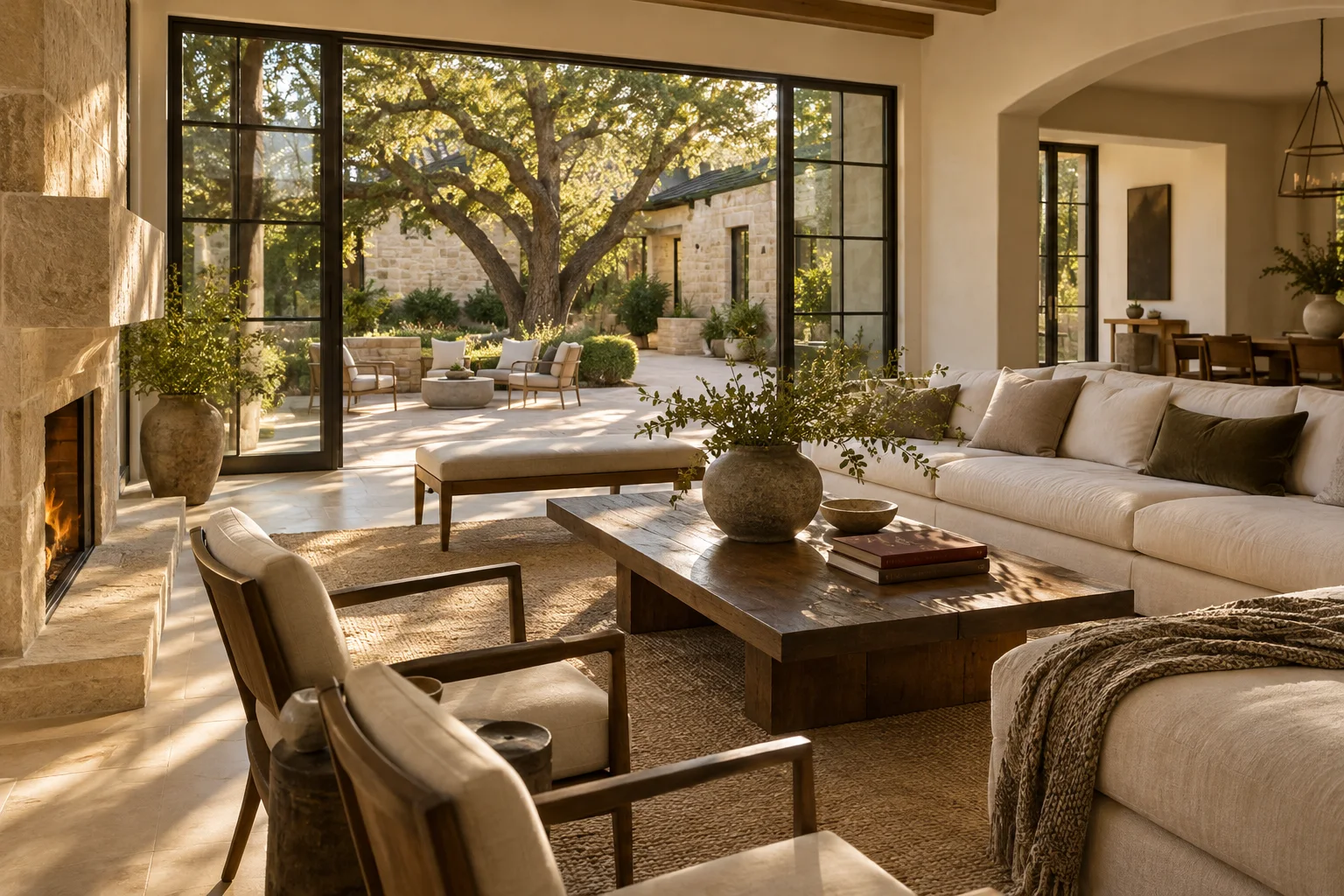
A single photograph of a sun-drenched living room can feel like a complete vision, but it often lacks the context of your actual life. When you begin gathering images for a home project, you are collecting fragments of an idea rather than a finished blueprint. To turn those fragments into a cohesive plan, you must move past simple admiration and begin the work of annotation.
The Language of Likes and Dislikes
A folder full of interior photography is a starting point, but it can also be a source of confusion. A professional might see a photo of a velvet sofa and assume you want that specific texture, when in reality, you only liked the way the light hit the fabric. To avoid this, use the images to pinpoint specific elements. You might circle a particular shade of blue or draw an arrow toward a specific lamp style. Equally important is identifying what you want to exclude. If an image captures a layout you love but features a color palette that feels too heavy for your space, mark that distinction clearly. By defining the boundaries of your taste, you prevent a professional from following a visual path that leads away from your actual preferences.
Navigating Shared Spaces
Communication becomes more complex when the project involves another adult. It is easy to assume that because a partner or housemate nods at a photo, they have fully internalized the aesthetic or the functional implications. For example, if you are designing a shared home office, you might find a photo of a minimalist, white desk that looks serene. However, your partner might require a surface area capable of holding multiple monitors and heavy hardware. If you present only the photo, you risk an unspoken disagreement later when the physical constraints of your actual workspace clash with the visual ideal. Instead of assuming agreement, use the images to spark a dialogue about how the room will actually be used during a busy workday. Ask them which specific parts of the image appeal to them and which parts feel impractical for their daily tasks.
Balancing Aesthetics and Utility
Every design choice involves a tradeoff between how a room looks and how it performs. As you curate your images, consider the friction between beauty and habit. A room that looks perfect in a still photograph may become a source of stress if the furniture arrangement prevents natural movement through the house or if the materials require a level of upkeep that conflicts with your lifestyle. Ask yourself if the items in the photos support your daily routines. When selecting materials, ask a professional how different surfaces might respond to the specific types of spills or wear common in your household.
Preparing for the Conversation
Once you have annotated your images and discussed the practicalities with your cohabitants, you are ready to meet with a professional. Rather than handing over a stack of pictures and hoping for the best, prepare specific questions to bridge the gap between your inspiration and your reality. Ask the designer how the elements you selected can be adapted to the specific dimensions and light levels of your room. Inquire how they suggest balancing the specific textures you highlighted with the durability required for your household. This transition from passive browsing to active observation ensures your vision is grounded in the reality of your home.

