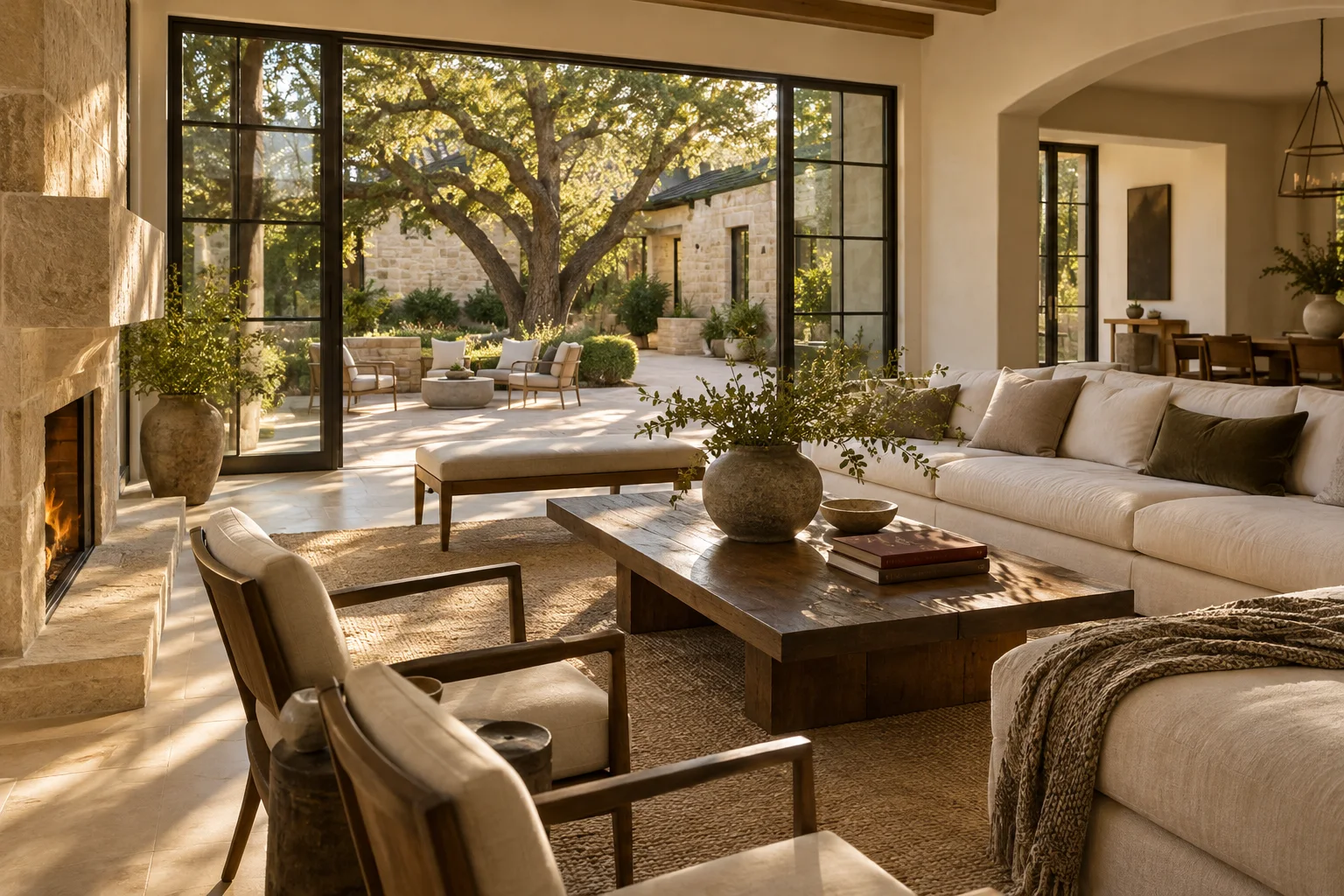
The decision to move into a rental room often begins with a mental inventory of what is truly necessary. There is a distinct tension between the desire for a home that reflects a personal aesthetic and the reality of a space that belongs to someone else. For many North Texas renters, the challenge is not just about where to put a bed, but how to distinguish the items that make a room livable from the items that merely take up space.
Distinguishing Essentials from Extras
Before purchasing a single piece of furniture, consider the distinction between your core essentials and your optional additions. An essential item is one that serves a fundamental function, such as a surface for working or a place to sleep. An optional addition is something that enhances the atmosphere, like a decorative lamp or a textured rug. While it is tempting to fill a room with many small, aesthetic pieces, the weight of these items can complicate a move.
For example, if you are deciding between a heavy, solid wood bookshelf and a lightweight, modular shelving unit, you are weighing the tradeoff between perceived stability and ease of transport. The solid wood piece may feel more permanent and substantial, but it requires significant effort to move and may pose a risk of scuffing floors if not handled with care. The modular unit offers flexibility and a lighter footprint, though it may lack the same sense of traditional presence.
Storage and Surface Solutions
When floor space is at a premium, look toward furniture that performs dual roles. A trunk can serve as both a coffee table and a repository for seasonal clothing, while a desk with built-in drawers can replace the need for a separate chest of drawers. These choices allow you to maintain a sense of order without requiring you to install permanent shelving or wall-mounted organizers.
Textiles also play a vital role in defining a room. A large area rug can mask a floor finish you find unappealing, and heavy curtains can alter the light and privacy of a window without the need for drilling. These are temporary layers that can be folded, rolled, or packed away when the lease ends, leaving the original room intact.
Communicating with Management
Even when focusing on freestanding items, you may find yourself wanting to make minor adjustments to the environment. Rather than assuming what is permitted, it is helpful to approach property management with specific observations. If you find a particular area of the room lacks sufficient light or needs a different way to hang a mirror, ask management how they prefer such adjustments to be handled. You might ask if they have specific preferences regarding the types of freestanding fixtures used or if they have recommendations for protecting the existing surfaces from furniture weight.
Ultimately, the goal is to create a space that feels like yours while respecting the boundaries of the property. By prioritizing multifunctional furniture and focusing on items that can be easily relocated, you ensure that your comfort is not tied to a single, unmovable arrangement.

