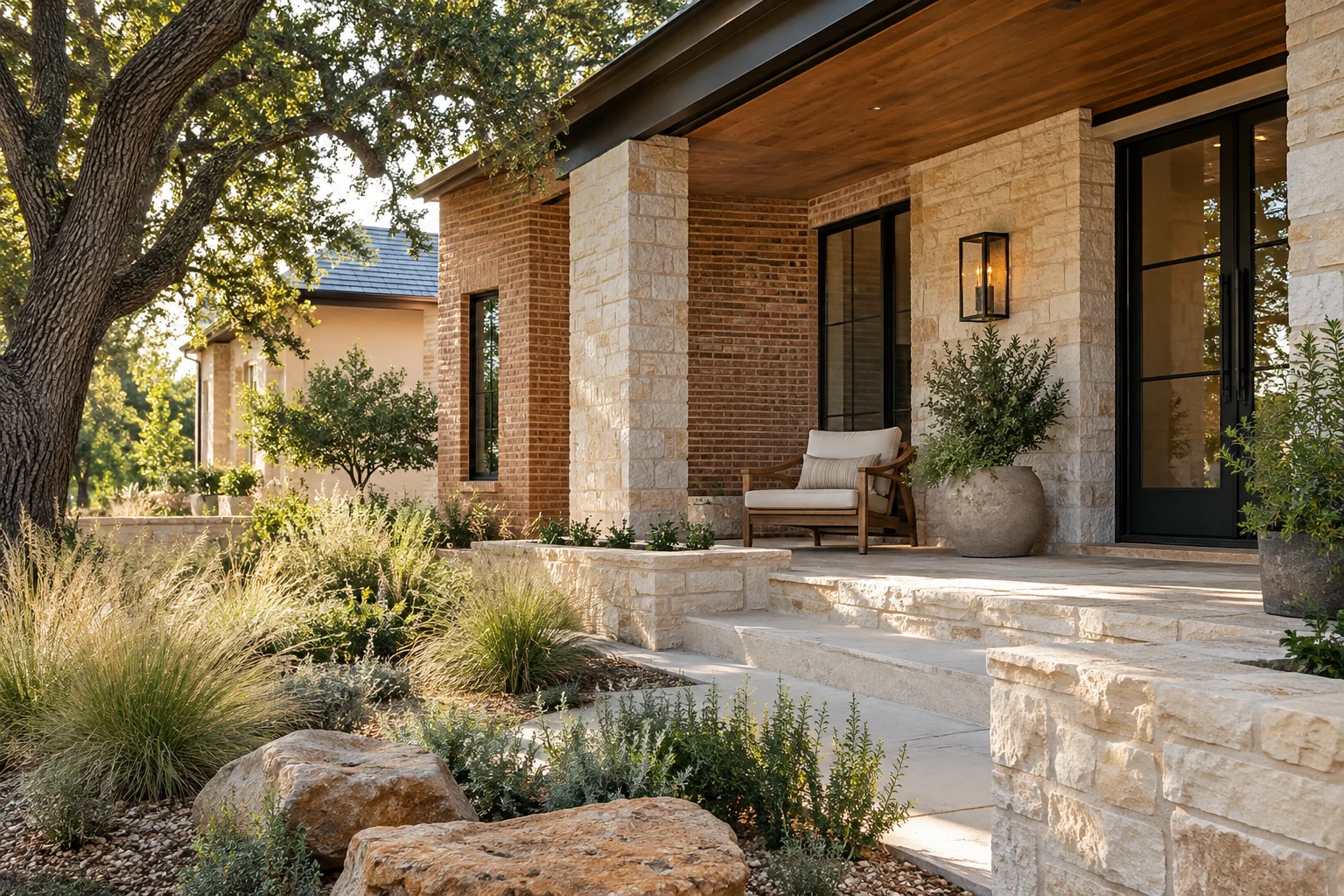
The decision to upgrade a small patio often begins with a catalog of beautiful furniture, but the most effective spaces are defined by a single, clear intent. When square footage is limited, attempting to accommodate a dining set, a lounge area, and a conversational grouping simultaneously can result in a cluttered walkway rather than a functional retreat. Choosing one primary activity allows you to select pieces that serve that specific goal without crowding the perimeter.
The Weight of Intentionality
For many homeowners, the challenge lies in separating the essentials from the optional additions. It is easy to fall into the trap of buying a coffee table because it looks right, only to realize it obstructs the path to the back door. To avoid this, consider the primary rhythm of your outdoor life. Is this a place for a quiet morning coffee, a setting for evening meals, or a spot for long conversations with neighbors?
For example, if you prioritize dining, your budget and space should gravitate toward a sturdy table and upright seating that facilitates eating. If you choose conversation, you might opt for deep, soft seating arranged in a circle. The tradeoff is immediate: a dining set provides utility for meals but may feel too formal for a nap, while lounge seating offers comfort but makes serving a full dinner a logistical challenge. Selecting one core function provides the framework for every subsequent purchase.
Testing the Footprint
Before any transaction occurs, use the physical space to your advantage. Move your existing chairs and tables into different configurations to see how they interact with the architecture of your home. Observe how much room remains for your legs when seated, and whether you can walk around the furniture without brushing against the siding or the railing.
A common oversight is neglecting the flow of movement. A beautiful chair becomes a nuisance if it forces you to sidestep a planter every time you enter the house. Use heavy objects or even cardboard cutouts to simulate the dimensions of new pieces, ensuring that the intended purpose of the space is not compromised by the physical presence of the items themselves.
Refining the Details
Once you have settled on a layout and a primary use, address the logistical aspects of the installation. If you are considering permanent fixtures or heavy stone elements, ask a contractor how the weight will be distributed across your existing patio surface. If you are looking at lighting or power for a new setup, ask a qualified professional how they would manage the necessary connections to your home's current electrical system.
Finally, consider the ease of movement between your indoor and outdoor environments. Ask yourself if the chosen furniture height and placement allow for a seamless transition when carrying trays or moving between rooms. By deciding on a single purpose first, you ensure that your patio remains a deliberate extension of your home rather than a collection of mismatched objects.

