This is a paid partner contribution. Commercial relationships are disclosed so readers can distinguish sponsored content from editorial guides.
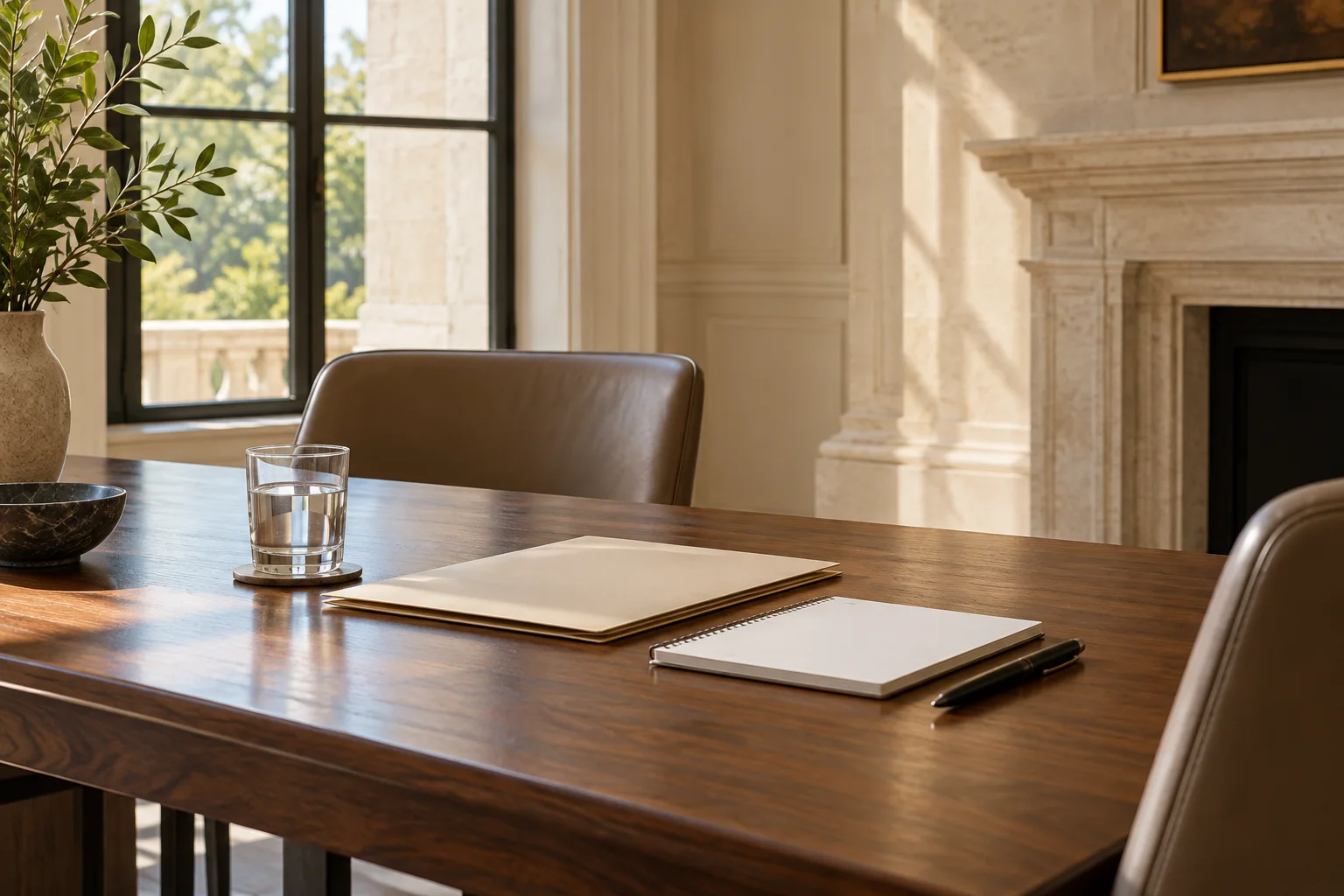
A single folder sitting on a desk can represent years of movement, family connections, and life transitions. When you prepare to meet with a professional regarding your status, the documents you bring serve as the foundation for your conversation. Rather than relying on memory alone, having a structured collection of papers allows you to present your history with clarity.
The weight of documentation
Every piece of paper tells a part of a story. You might consider gathering birth certificates, marriage licenses, or previous travel records. The goal is not to provide a finished argument, but to provide the raw material that a professional needs to see. For example, if you are navigating a change in your residency status, a disorganized pile of receipts might be less helpful than a chronological list of significant life events accompanied by the corresponding certificates.
The tradeoff involves the time spent organizing versus the clarity of the meeting. You might spend an evening sorting through old mail and digital scans to ensure nothing is missed, or you might arrive with only the most recent items. While the latter is faster, the former may allow for a more focused discussion. Consider whether your current collection provides a complete picture of your history or if there are gaps that need addressing.
Refining your questions
A consultation is a two-way exchange. While you are seeking information, you are also providing the context necessary for them to respond. Instead of asking broad questions, try to focus on the specifics of your own situation. You might ask how a particular document affects your specific timeline, or how they prefer to receive digital versus physical copies of your records.
If you are looking for a consular processing attorney Dallas, you may want to ask how they manage the specific documents you have prepared. Ask what additional evidence they might suggest you begin collecting now to avoid delays later. Preparing these questions in advance ensures that the time you spend in the office is used effectively.
Managing your personal history
Imagine you are preparing for a meeting and realize you have three different versions of a marriage certificate, or a collection of entry stamps in a passport that is nearing its expiration. This is the moment to decide how to present these items. Do you present every single scrap of paper, or do you curate a selection of the most vital proofs?
For instance, if you have several years of employment records, you might choose to bring the most recent three years rather than every pay stub since you arrived. This keeps the focus on your current circumstances while still providing a sense of your recent history. Ask the professional which specific types of records they find most useful for the types of cases they handle. By focusing on organization and targeted questioning, you turn a stressful administrative task into a structured step toward your goals.