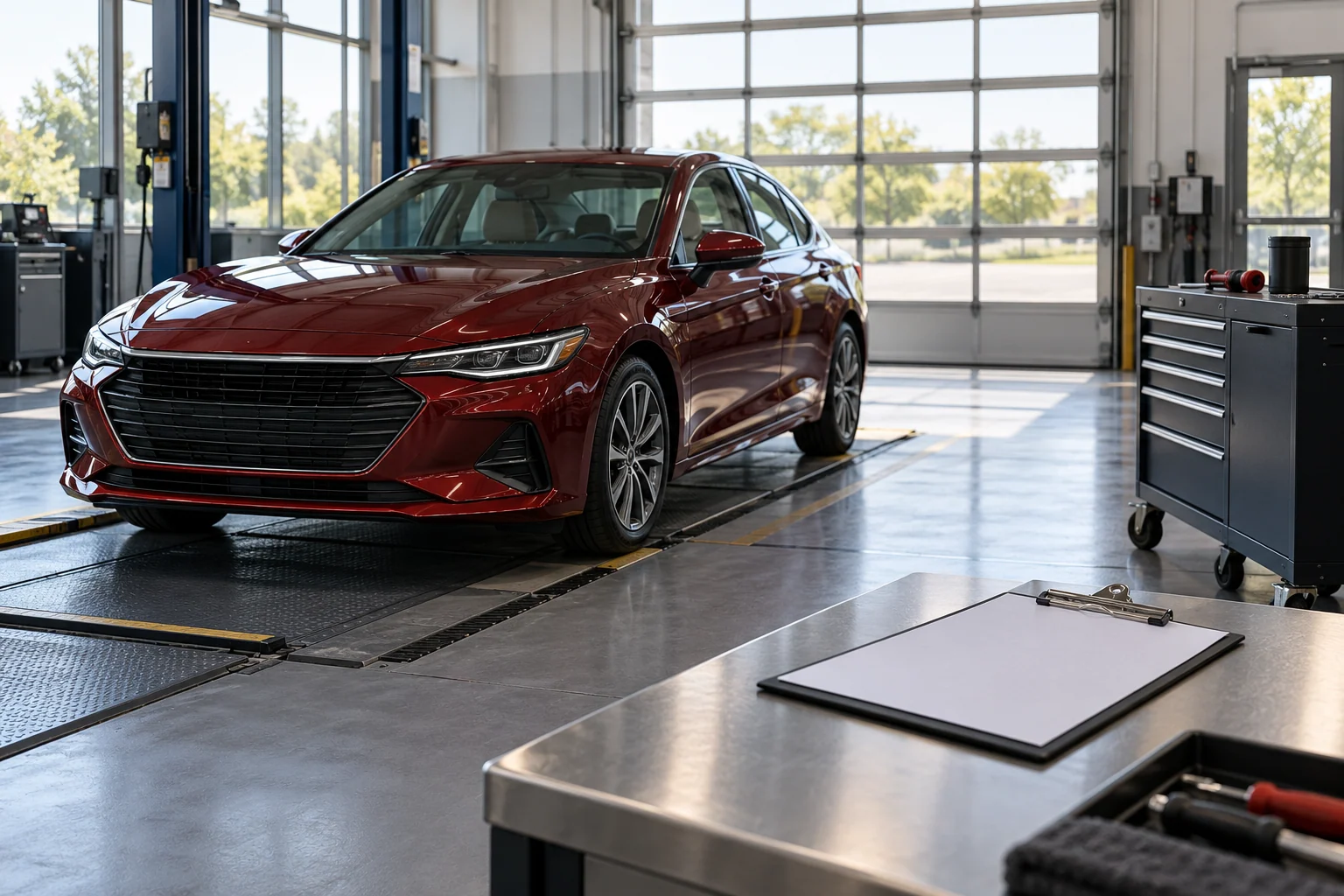
A handwritten note resting on a passenger seat serves as more than just a reminder for a mechanic; it is a bridge between your visual observations and their technical execution. When you drop off your vehicle at a local service center, the clarity of your request dictates the direction of the work. Instead of relying on verbal descriptions that can fade or be misinterpreted, a structured note allows you to document exactly what you see and what you hope to achieve.
Documenting the visual details
Start by describing the cosmetic state of the vehicle as you found it. If there is a scratch, a dent, or a patch of faded paint, note its location and appearance with as much specificity as possible. Use landmarks on the car, such as the passenger-side door handle or the area just above the headlight, to pin down the exact spot. It is helpful to mention if the damage is a surface-level scuff or something that feels deeper to the touch.
Beyond the damage itself, define your desired outcome. Do you want the area to match the surrounding finish perfectly, or are you looking for a more modest correction? For example, if you are looking to address a small area of oxidation on a hood, you might specify whether you want a full resurfacing or a targeted treatment of that specific patch. This distinction helps the shop understand your aesthetic goals before they begin.
The modest approach
For many drivers, the decision is not between a total overhaul and doing nothing, but rather choosing a middle ground. You may want to test the waters with a smaller version of a larger project to see how the work holds up or how the color matches. For instance, if you have a vehicle with several areas of peeling clear coat, you might choose to address only the most prominent section first. This allows you to observe the quality of the finish and the way it integrates with the rest of the bodywork before committing to the entire vehicle.
This choice involves a tradeoff between immediate cost and long-term uniformity. A partial repair may be more manageable for your current budget, but it leaves other areas of the vehicle in their current state. When preparing your note, clearly state that you are requesting a specific, limited scope of work rather than a comprehensive restoration.
Questions for the shop
Once you have laid out your observations and your preferred level of intervention, use the note to prompt a conversation about the project's boundaries. Rather than assuming how the work will be performed, ask the professional how their proposed plan aligns with the specific areas you have highlighted. You might ask how the suggested work addresses the specific imperfections you noted, or ask what the expected scope of the project includes regarding materials and labor.
Finally, address the logistics of the visit. Note your preferred pickup time and ask how they will notify you when the work is ready. By providing a clear description of the damage, a defined goal, and a specific request for a limited scope, you ensure that both you and the shop are looking at the same version of the finished product.


