This is a paid partner contribution. Commercial relationships are disclosed so readers can distinguish sponsored content from editorial guides.
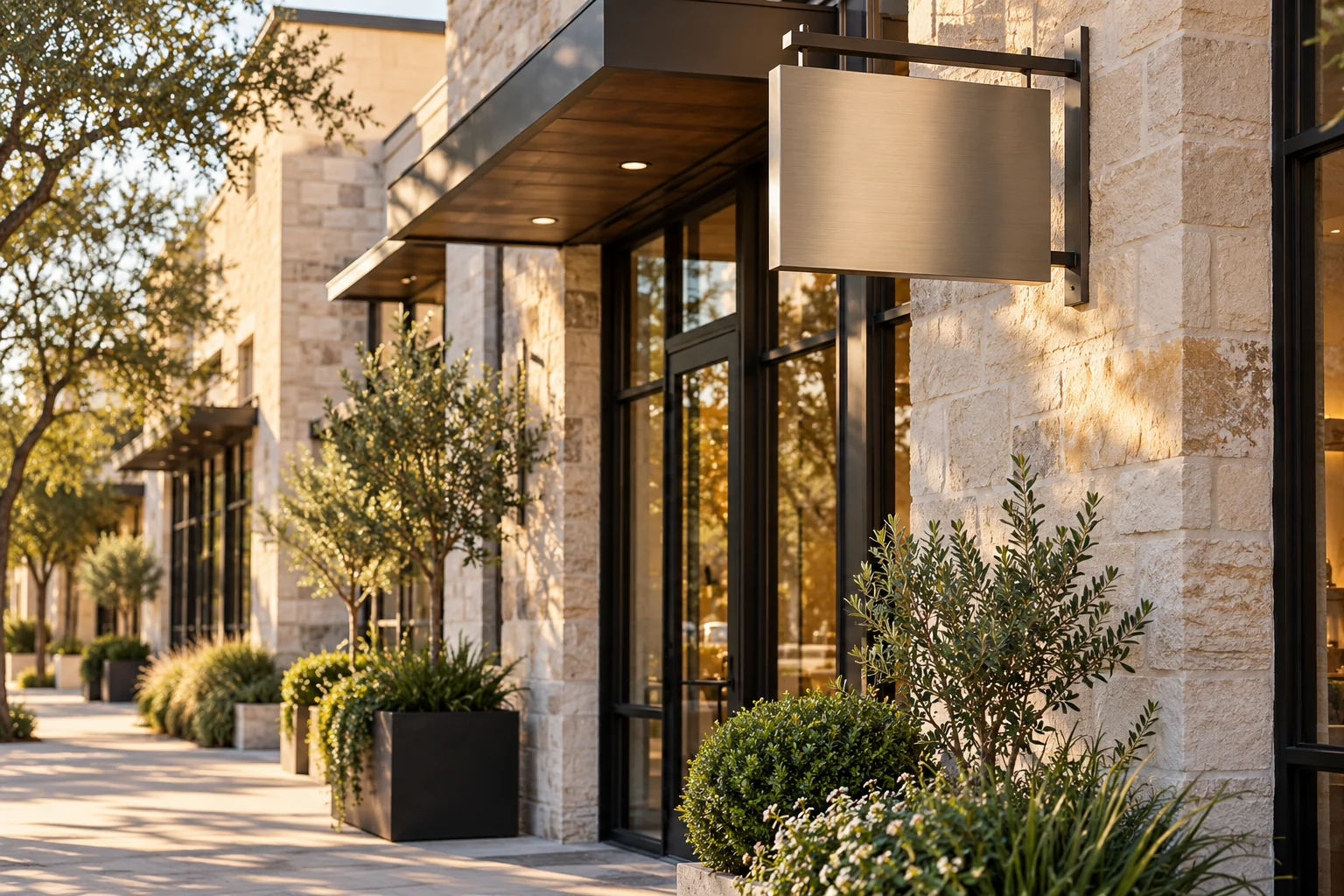
A blank wall or a quiet storefront represents a series of choices about how a space communicates with the people walking past it. Deciding how to occupy that space involves more than just picking a color or a font; it requires a clear understanding of what you want a visitor to see, feel, and do when they arrive. Whether you are looking at large-scale installations or smaller, rotating displays, the transition from an empty room to a branded environment is a process of intentional layering.
Defining the visual scope
Before meeting with a provider, consider the physical boundaries of your project. A decision might range from permanent, structural elements to temporary, high-impact visuals. For example, if you are managing a retail storefront, you might weigh the impact of large-scale wall murals and window graphics for Dallas businesses against the utility of smaller, modular displays. One choice offers a sense of permanence and architectural integration, while the other allows for frequent updates based on seasonal shifts or new inventory. Identifying whether you need something that stays for years or something that changes with your monthly promotions helps narrow the conversation from the start.
Assessing content and medium
The medium you choose dictates how much information you can actually convey. A static graphic serves a different purpose than a screen. If your goal is to provide real-time updates, announcements, or a sense of movement, you may need to discuss digital signage content as part of your setup. This introduces a different set of considerations regarding how often information changes and how much technical support is required to keep the visuals current. You might ask a professional how the specific medium they recommend handles the lighting conditions and foot traffic patterns of your specific location.
Preparing your specifications
Walking into a consultation with a list of observations can change the direction of the project. Instead of asking what is possible, bring the specifics of your environment. Note the textures of your walls, the brightness of your windows, and the typical paths your customers take through the building. Having these details ready allows for a more precise discussion about materials and placement. You might also ask about the installation process and what specific preparations your staff would need to make before the work begins.
Navigating the selection process
When comparing different approaches, look closely at the relationship between the visual impact and the long-term maintenance of the space. A highly detailed, complex graphic might draw immediate attention, but it may also require different cleaning or upkeep than a simpler design. Ask how the proposed materials respond to the specific environment of your business, such as high-humidity areas or spaces with heavy sunlight exposure. By focusing on these practical details, you can move from a general idea to a concrete plan that fits the physical and operational realities of your business.


