This is a paid partner contribution. Commercial relationships are disclosed so readers can distinguish sponsored content from editorial guides.
A fresh dent in a door panel or a sudden change in how a sensor responds can shift a driver's focus from the road to the repair shop. Whether the damage came from a stray shopping cart or a sudden storm, the initial contact with a service provider is the moment to establish clarity. Instead of walking in with vague concerns, arriving with a specific set of observations can help you navigate the different paths available for restoration.
Observing the Damage
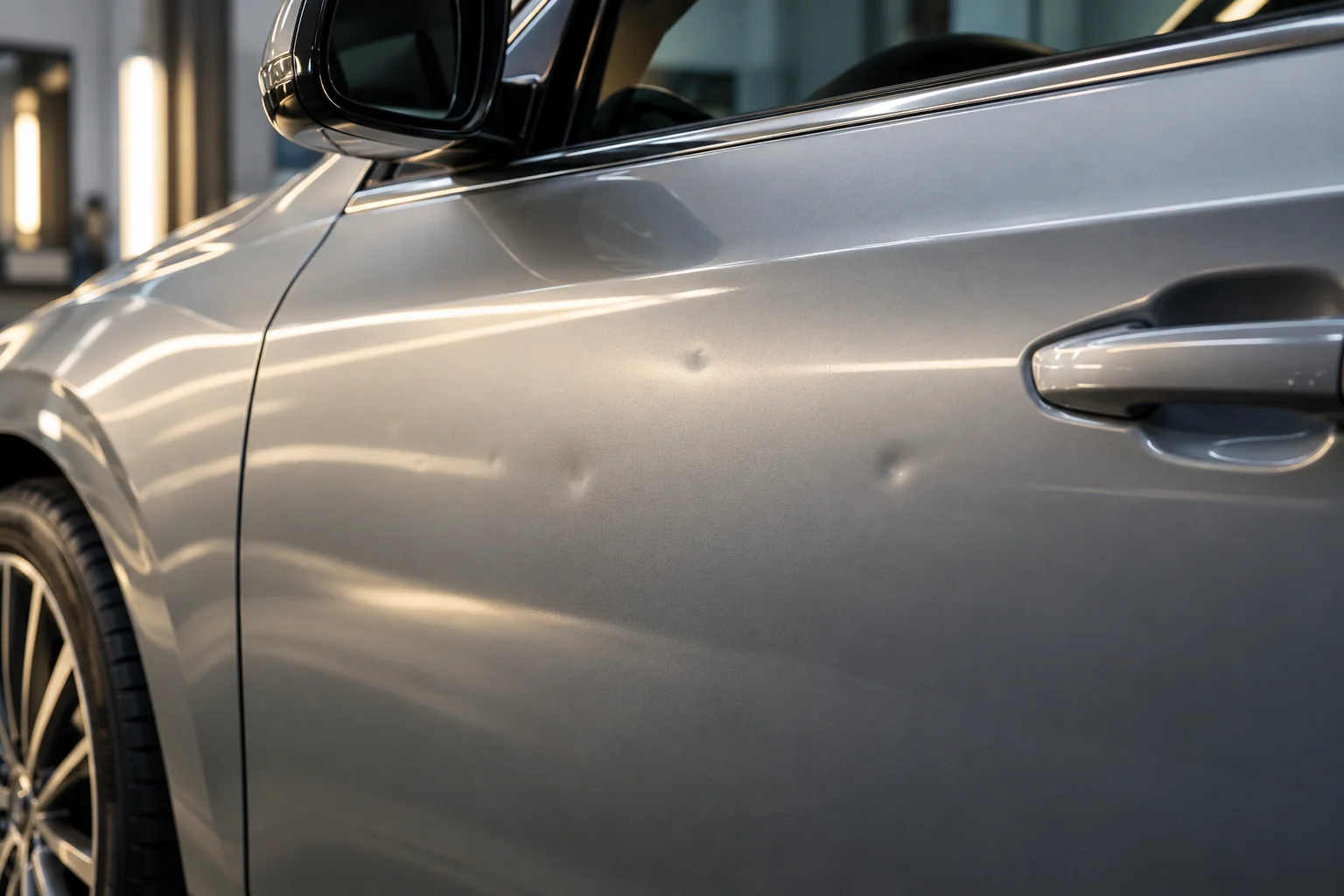
Before calling a shop, take a moment to look at the vehicle closely. Note the texture of the metal, the condition of the paint, and whether any underlying components seem affected. For example, if you are looking for Wylie hail repair, you might notice small, shallow indentations across the hood or roof, or perhaps a single, deep crease near a wheel well. Documenting these visual details helps you describe the situation accurately when you speak to a technician. Consider whether the impact was localized or if it has affected multiple surfaces of the car, as this detail will influence the scope of the work discussed.
Evaluating Technical Needs
Modern vehicles carry more than just metal and glass; they house sensors and cameras that assist with driving. When a repair involves areas near these components, the conversation requires more precision. You might wonder about the relationship between physical bodywork and the electronic systems that rely on those surfaces being perfectly aligned. Ask the technician when ADAS calibration is needed after dent repair to understand how they approach the integration of structural work and electronic functionality. This helps you weigh the importance of different repair methods against the specific technology in your vehicle.
Navigating the Repair Path
Every repair involves a choice between different approaches to restoration. One path might focus on the immediate visual appearance of the metal, while another might prioritize the structural or electronic alignment of the component. This presents a clear decision: do you prioritize a quick aesthetic fix, or a more comprehensive process that addresses every integrated system? To make this choice, ask the provider how their recommended method addresses the specific damage you observed and what the process entails for your particular model.
The most effective way to begin is by gathering your notes and asking direct questions about the work. Ask who will be performing the service and what their specific process looks like for your type of damage. By focusing on the details of your vehicle and the specific questions regarding both the metal and the electronics, you can enter your first consultation with a clear understanding of the options ahead.