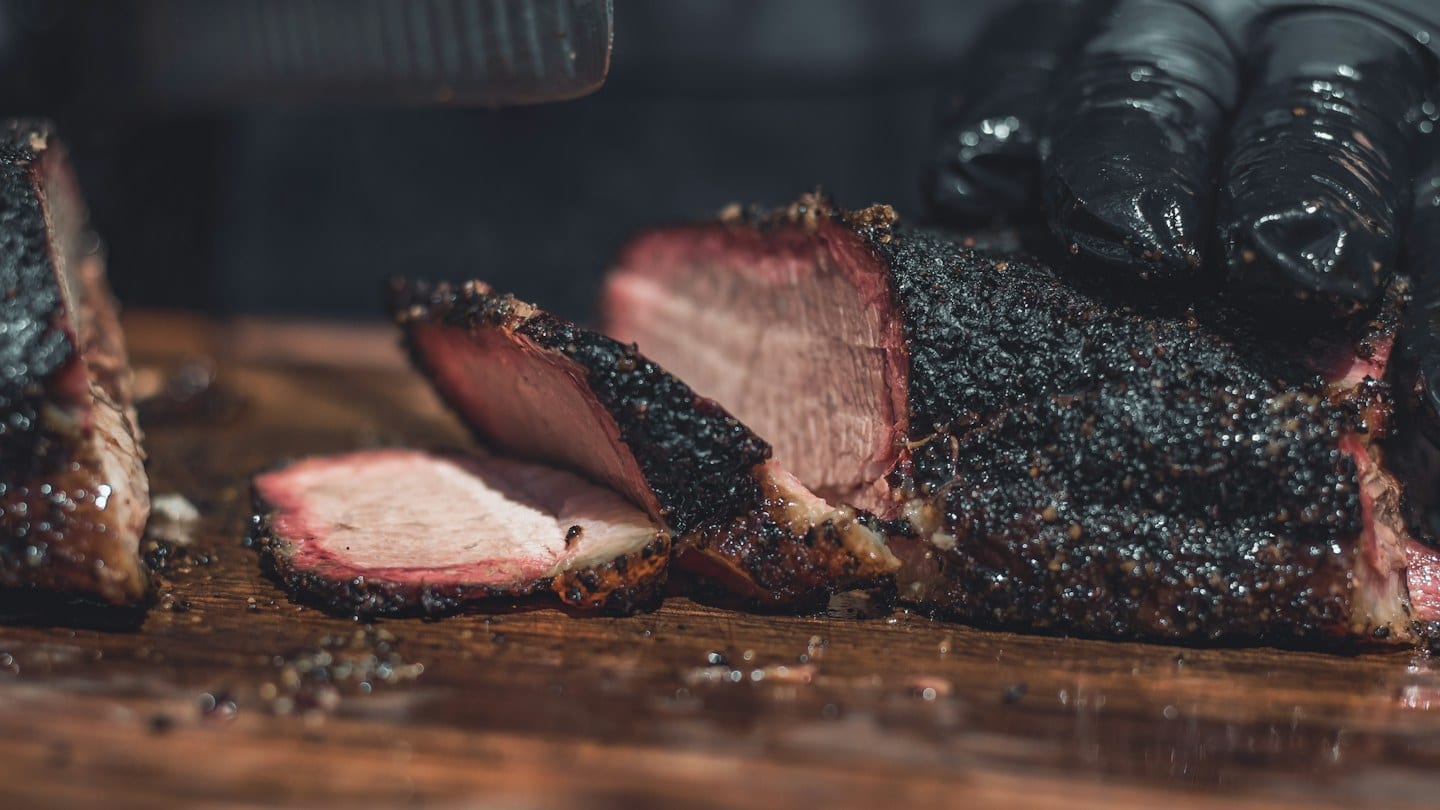
A menu is often a collection of evocative adjectives and specialized terms designed to spark the appetite. While words like braised, confit, or reduction add a layer of culinary sophistication, they can also create a barrier between a diner and their meal. For those who value precision, an ambiguous description can lead to an unexpected encounter with a texture or flavor profile that was not anticipated.
The cost of a guess
The primary tradeoff in dining is between the speed of ordering and the certainty of the experience. It is tempting to scan a list of ingredients, identify the familiar components, and assume the rest are merely supporting players. However, a single ingredient—perhaps a specific herb, a type of oil, or a particular way a protein has been treated—can redefine the entire dish. Making an assumption saves time in the moment but risks a meal that does not align with your preferences.
For example, if you are looking at a dish described as "citrus-infused sea bass with a fennel pollen crust," you might assume the citrus is a light garnish. If the fish has actually been cured in heavy citrus juices, the acidity may overwhelm the delicate flavor of the bass. In this scenario, the gap between what you imagined and what arrives on the plate is determined by how much you chose to investigate the description before the server moved on.
Clarity through inquiry
Navigating a complex menu does not require a culinary degree; it simply requires a shift from passive reading to active questioning. When a term appears that lacks a clear definition in your own experience, use the opportunity to seek specifics. This is particularly useful when a dish relies on a preparation method that might alter the texture of the food.
Instead of guessing, consider asking the following:
- How is this specific ingredient prepared before it reaches the plate?
- Can you describe the dominant flavor profile of this sauce?
- What is the texture of the protein when prepared this way?
- Are there any components in this dish that might be particularly sharp or pungent?
The efficiency of the written recap
The desire for clarity often extends beyond the dinner table. Many professionals in North Texas find themselves navigating a day filled with verbal briefings and shifting verbal instructions. For a person who prefers a written recap to another meeting, the impulse is to seek a permanent record to avoid the ambiguity of spoken words. This preference for documentation is a practical tool for managing information, much like asking a waiter for a detailed description of a dish.
Just as a written summary provides a reliable reference for a project, a direct question provides a reliable reference for a meal. Rather than attempting to interpret a chef's poetic language, ask the staff to translate it into concrete terms. By prioritizing these brief moments of inquiry, you ensure that the meal you receive is the one you actually intended to order.