Hosting a dinner where guests bring dishes can transform a kitchen from a solo workspace into a collaborative hub. The success of such an evening often hinges on how a host distinguishes between the foundational elements of the meal and the voluntary additions that round it out.
Defining the Core Menu
When planning a shared meal, the first decision involves identifying what is essential to the dining experience. These are the components that ensure the meal functions as a cohesive unit. For a host who also intends to eat, selecting these items is a matter of managing personal energy and kitchen space. You might decide to provide the main protein or a central starch, establishing a baseline that guarantees everyone has a substantial plate.
Once these essentials are set, the conversation shifts to what is truly necessary versus what is merely a pleasant addition. A host might provide a heavy main course, making several side dishes optional. This approach prevents the table from becoming overcrowded with overlapping flavors or redundant textures. It allows the host to maintain a sense of direction for the meal while still welcoming the variety that guests provide.
Managing Contributions and Tasks
Coordination is the bridge between a chaotic spread and a structured dinner. Rather than leaving the menu entirely to chance, consider discussing specific categories with your guests. This might involve agreeing on who brings a salad, who provides a beverage, and who handles a dessert. By separating preparation tasks from serving arrangements, you can also clarify expectations. For example, you might ask a guest if they prefer to bring a dish that requires oven time or something that can be served immediately at room temperature.
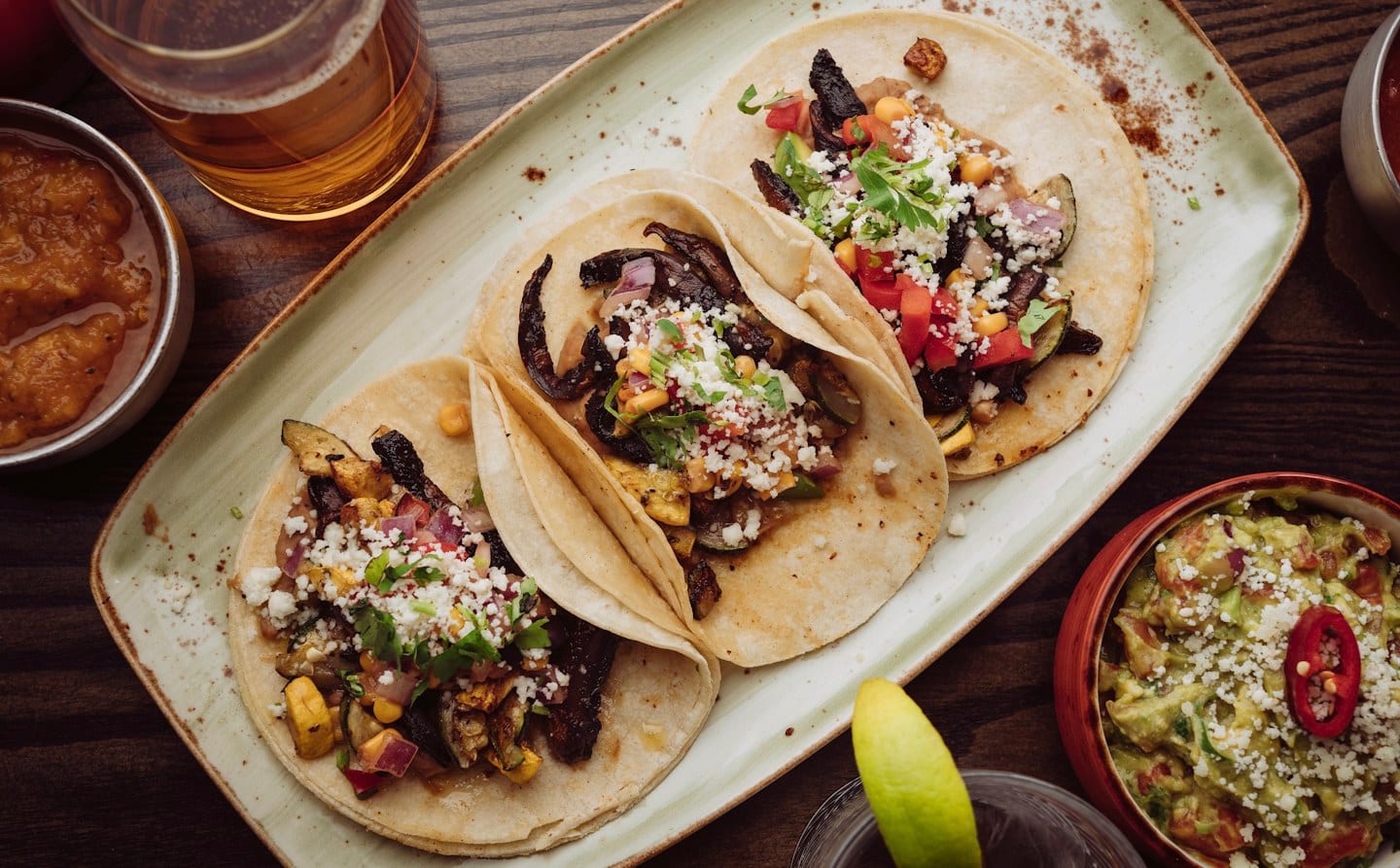
For example, if you are planning a taco night, you might decide that you will provide the seasoned meat and tortillas as the essential foundation. You could then ask guests to choose between bringing toppings like salsa and guacamole or contributing something separate, like a side of rice or a tray of churros. This prevents a situation where four guests arrive with only lime wedges and no substantial sides.
Navigating the Tradeoffs
There is a meaningful tradeoff between total control and total flexibility. A highly structured menu ensures a balanced meal but can sometimes feel restrictive to guests who enjoy the spontaneity of bringing a favorite recipe. Conversely, a completely open invitation allows for great variety but risks a menu that lacks cohesion or leaves the host with an abundance of one type of food and a deficit of another.
To find the right balance, consider the following questions for your guests: Will your contribution require any specific equipment from my kitchen? How much space will your dish require on the serving table? By clarifying these details early, you can ensure that the meal remains a shared enjoyment rather than a logistical puzzle. Focus on securing the essentials first, then layer in the optional contributions to complete the evening.