The weight of a shared itinerary often rests on a single pair of shoulders. When you are the one organizing a trip for friends or family, the task is not merely selecting a destination, but managing the invisible friction between different levels of enthusiasm and physical stamina. A successful plan recognizes that while a group may start together, the joy of the trip often depends on the freedom to diverge.
The core commitment
Every group excursion requires a foundation of shared experiences—the meals, the primary sights, or the central gathering points that justify the collective effort. These are the anchors of the schedule. However, the tension arises when the anchor becomes a tether. If the group spends every hour in lockstep, the person with the highest energy may feel constrained, while the person seeking rest may feel pressured to perform. The organizer must decide which moments require everyone's presence and which moments allow for autonomy.
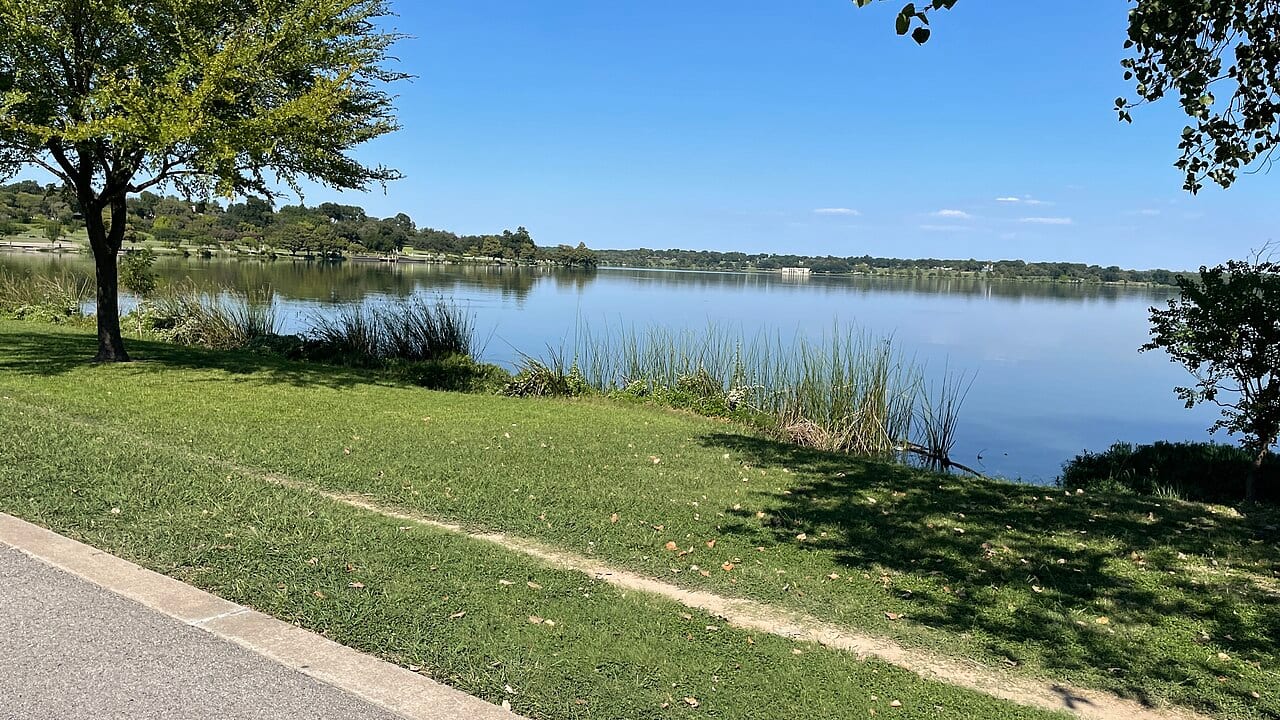
For example, if a group decides to visit a regional park for a day of exploration, the shared commitment might be a midday lunch at a specific local spot. This provides a guaranteed moment of reconnection without requiring every participant to engage in the same level of exertion from sunrise to sunset. This choice creates a tradeoff: the group sacrifices total, constant cohesion in exchange for the individual satisfaction of the participants.
Designing the optional branch
A thoughtful itinerary incorporates "branches"—specific windows of time where the group can split based on interest. This structure allows for different tempos within a single trip. One segment of the group might opt for a strenuous hike, while another chooses to sit by the water with a book. The goal is to ensure that the group's identity is maintained through shared meals or evening gatherings, even if the daylight hours are spent separately.
Imagine a weekend trip centered around a small town. The group agrees to meet for breakfast and a morning walk through the town square. By noon, the itinerary offers a choice: a guided tour of a local historical site or a quiet afternoon at a nearby shaded grove. This structure allows the high-activity travelers to satisfy their curiosity and the low-activity travelers to recharge, ensuring that when the group reconvenes for dinner, everyone arrives with something new to discuss rather than shared exhaustion.
The handoff of information
The success of these branches relies entirely on how information is communicated. When you are the organizer, the goal is to provide clarity without making the optional paths feel like a rejection of the group. The handoff occurs when you move from the "we will" phase of planning to the "you might" phase. This requires a proactive approach to gathering preferences before the trip begins.
Ask the participants which specific activities align with their current energy levels and which parts of the trip are their absolute priorities. Ask the group how they prefer to be notified of changes or how they would like to coordinate meeting times for the evening. Confirming these logistical preferences early allows you to transition from a rigid director into a facilitator of diverse experiences. The final decision rests on finding that balance between the strength of the group and the autonomy of the individual.