A handwritten notebook or a dedicated digital file can become one of your most valuable assets for regional exploration. Rather than relying on a vague memory of a weekend getaway, a disciplined recording process turns a single trip into a repeatable blueprint for future enjoyment.
Separating Fact from Feeling
The most effective logs maintain a strict boundary between what was verified and what was experienced. When you visit a new trailhead, a local diner, or a boutique hotel, your notes should distinguish between hard data and personal sentiment. Recording the date of every entry is essential, as it provides a temporal anchor for the information you collect.
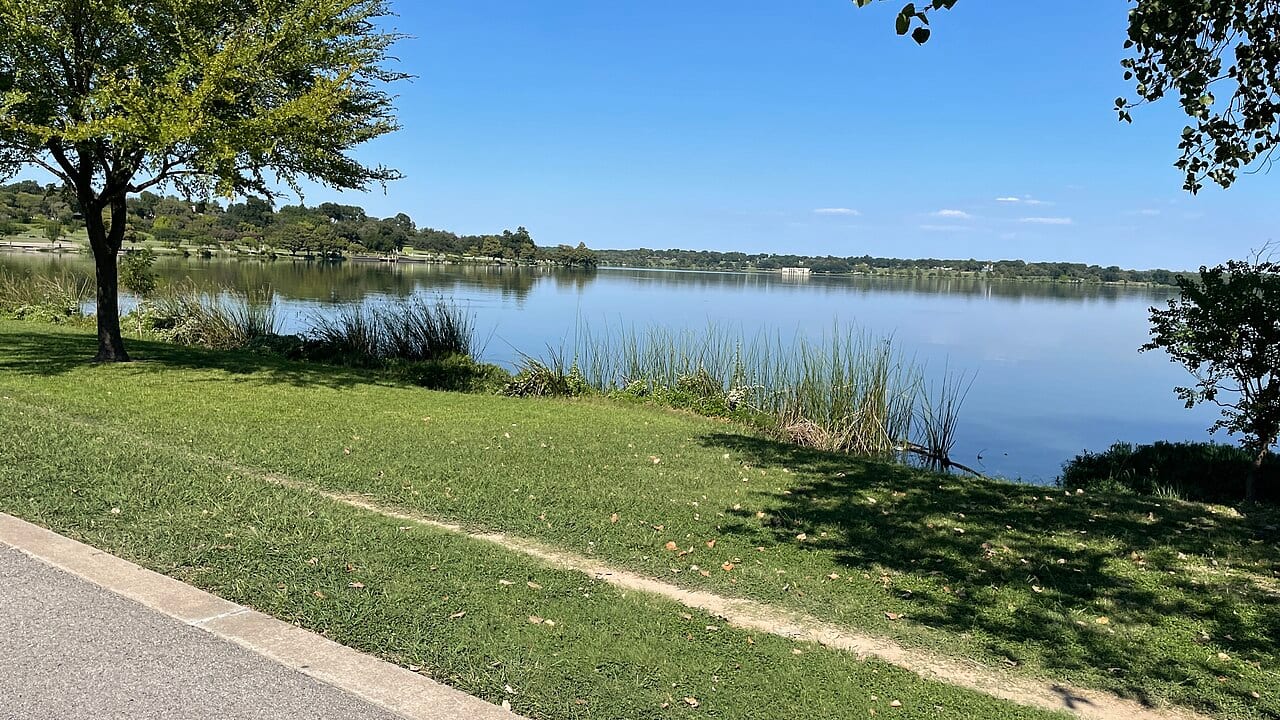
For example, if you find a quiet stretch of riverbank perfect for afternoon reading, note the specific location and the date. Separately, record your subjective impression of the temperature or the crowd levels. By keeping these elements distinct, you avoid the trap of thinking a location was 'always quiet' when it was actually just quiet on that specific Tuesday in October.
Capturing the Unresolved
A trip is rarely a closed loop of completed tasks. Often, a visit leaves you with lingering curiosities that are difficult to recall months later. Instead of letting these thoughts drift away, create a dedicated section for unanswered questions. This section serves as your primary research list for the next time you plan a similar outing.
Imagine you visit a small town for a weekend and find a local artisan shop that caught your eye. You might want to return, but you cannot remember if they accept specific payment methods or if they require appointments for custom work. Rather than attempting to reconstruct the interaction from memory, write down the specific question: Do they require prior scheduling for custom orders? This transforms a vague desire to return into a targeted inquiry for your next visit.
The Tradeoff of Detail
There is a constant tension between the depth of your notes and the ease of your travel. A notebook filled with every single street sign and menu item is cumbersome to maintain and tedious to review. Conversely, a notebook that only contains "great food" offers no utility for a future trip. The goal is to find a balance that prioritizes utility over exhaustive documentation.
Consider the tradeoff between recording every minor detail and focusing on the logistical pivots that shaped your trip. You might choose to skip the exact price of a coffee but insist on noting whether a specific parking area was accessible or if a particular trail required extra gear. This selective approach ensures your log remains a lean, functional tool rather than a heavy archive of trivia.
Refining Your Future Routes
When you sit down to review your notes, look for the patterns in your observations. Use your recorded confirmations and your list of unanswered questions to prepare for your next departure. Ask yourself which unresolved queries from your last notebook can be settled before you leave the house. By treating your notes as a living document, you ensure that every trip makes the next one more seamless.