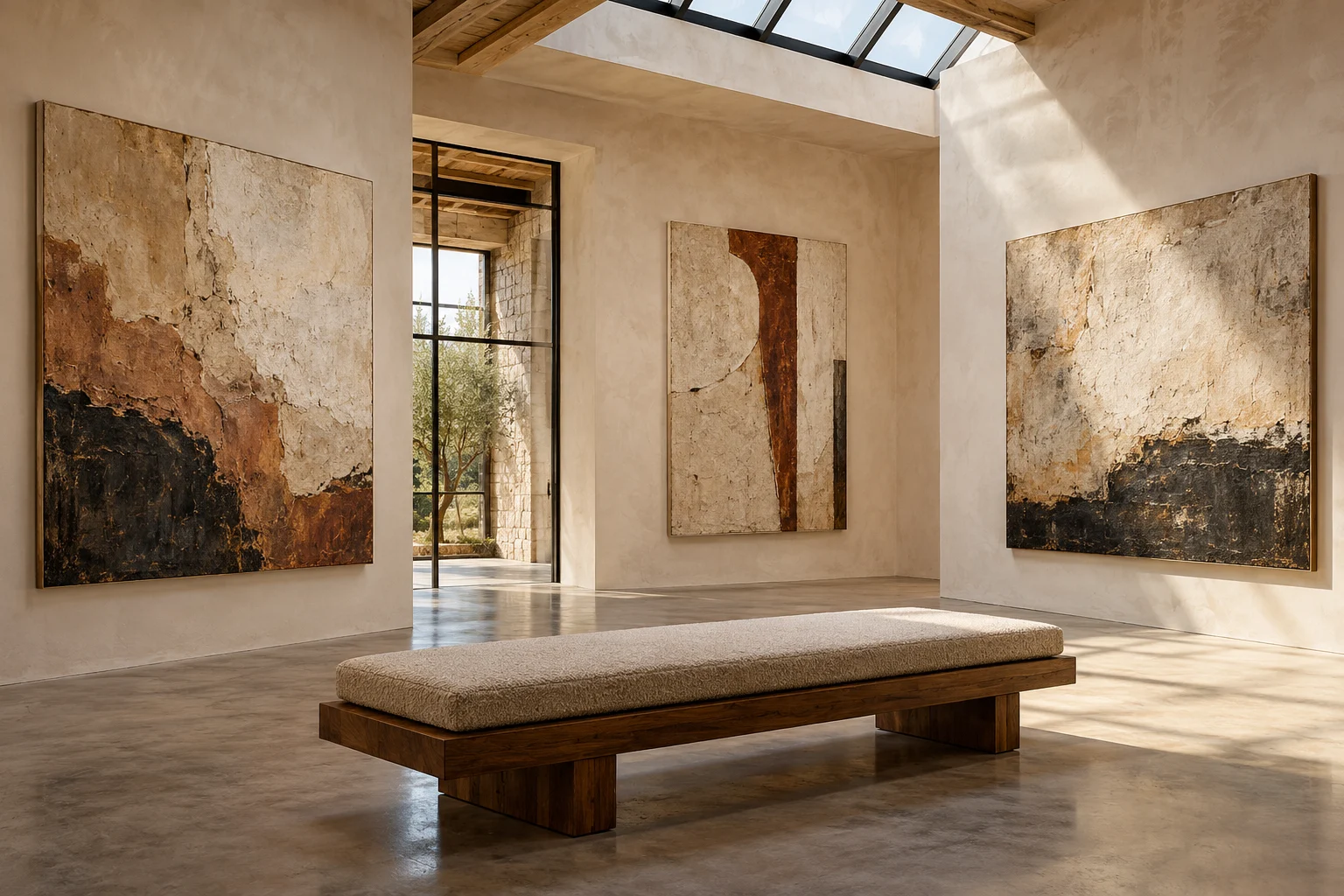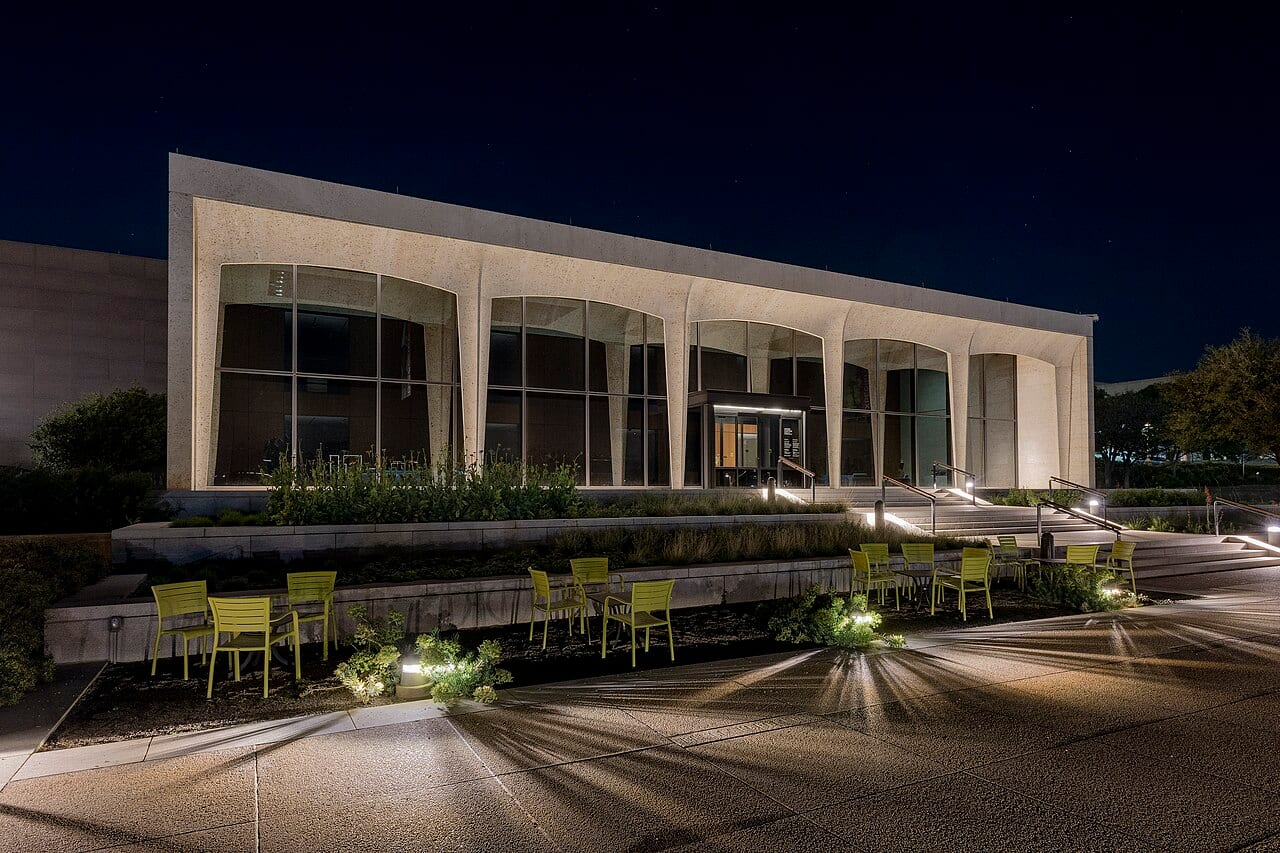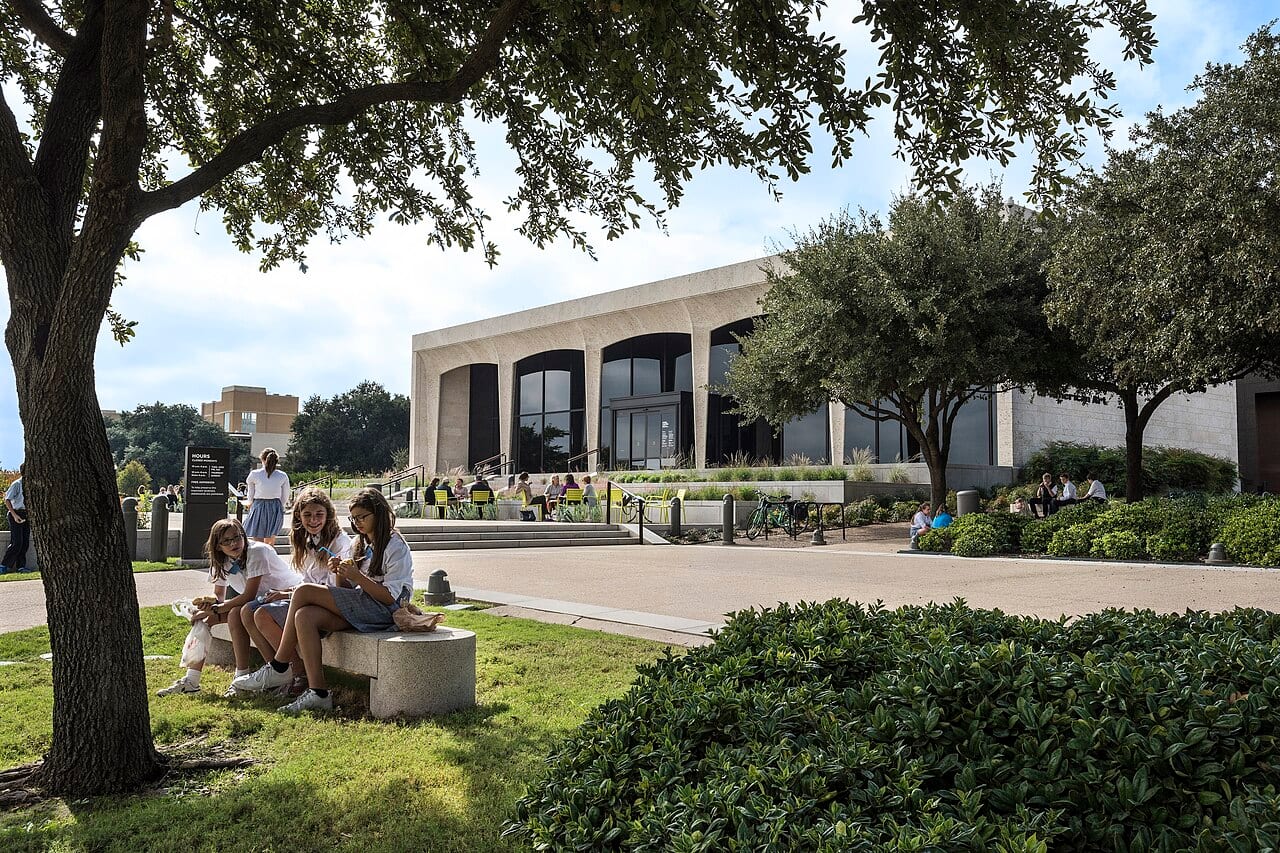
An invitation arrives in your inbox or on a community flyer for a live performance in town. The colors are bright, the font is elegant, and the promise of a memorable evening is palpable. Yet, as you hover your cursor over the 'purchase' button, a sense of hesitation lingers. You are making this decision entirely on your own, and without a group to consult, the weight of the choice rests solely on your shoulders. You must decide if the effort of the outing matches the potential reward of the experience.
Reading Between the Lines
Event descriptions are designed to build excitement, but they often omit the logistical textures that define an actual experience. A flyer might boast about an 'intimate setting' or a 'vibrant atmosphere,' terms that carry different meanings depending on the venue. To find clarity, look closely at what is not said. Does the description mention the seating arrangement, or is it an open floor? Is there a scheduled intermission, or is it a continuous set?
For example, if you are looking for a quiet evening to unwind, a description promising a 'high-energy showcase' might suggest a level of noise or movement that contradicts your goal. The tradeoff here is between the allure of a spectacle and the reality of your personal comfort. You must weigh the desire to experience something new against the practicalities of how you intend to spend your time and energy. A choice that looks good on a screen may feel quite different when you are standing in a crowded room.
Clarifying Access and Logistics
Once you have parsed the promotional language, the next step involves addressing the physical and logistical realities of the venue. If the event is held in a historic building or a repurposed space, the way you move through it matters. You might find yourself wondering about the ease of entry or the availability of specific amenities. Rather than assuming, consider reaching out to the organizers with specific inquiries to ensure the environment is suitable for your needs.
Ask how the venue manages entry for guests arriving at different times. Ask what the layout looks like regarding standing room versus assigned seating. If you have specific requirements for how you navigate a space, ask the event coordinator how they accommodate those needs. Knowing these details beforehand prevents the frustration of arriving only to find the environment is not what you anticipated. This step moves the decision from a guess to an informed choice.
Defining Your Own Objective
The final piece of the decision is deciding what you actually want to get out of the outing. Since you are navigating this choice alone, you do not have to compromise with a group's conflicting interests, but you do have to be honest with yourself. Are you seeking a social atmosphere where you can observe the crowd, or are you seeking a deep, uninterrupted connection with the performance?
If the event promises a social buzz but you want focused silence, the outing might leave you feeling drained rather than refreshed. Determine if the event's stated format aligns with your internal objective. Once you have matched the description to the logistics and your own personal preferences, the decision to attend becomes a matter of simple confirmation rather than an uncertain gamble. You can move forward knowing exactly what to expect when the lights go down.