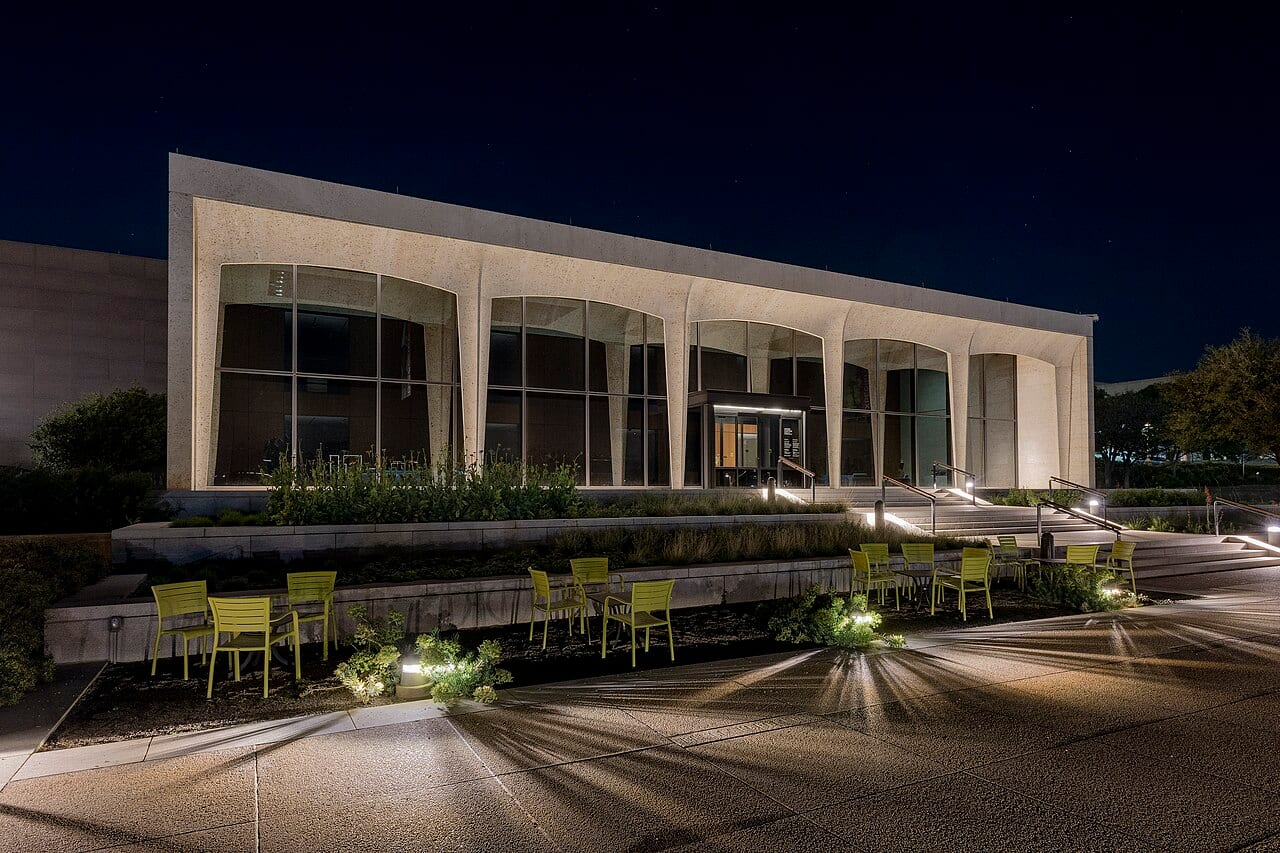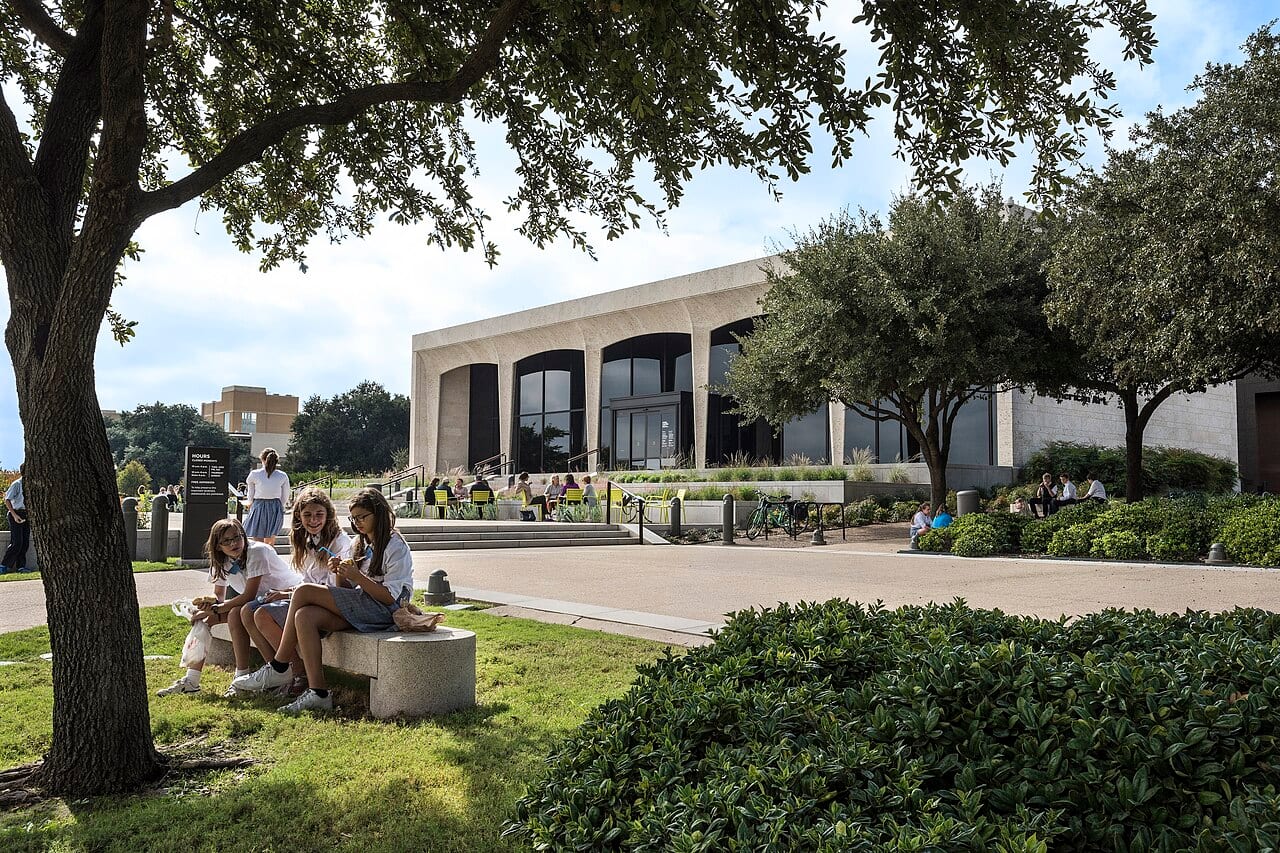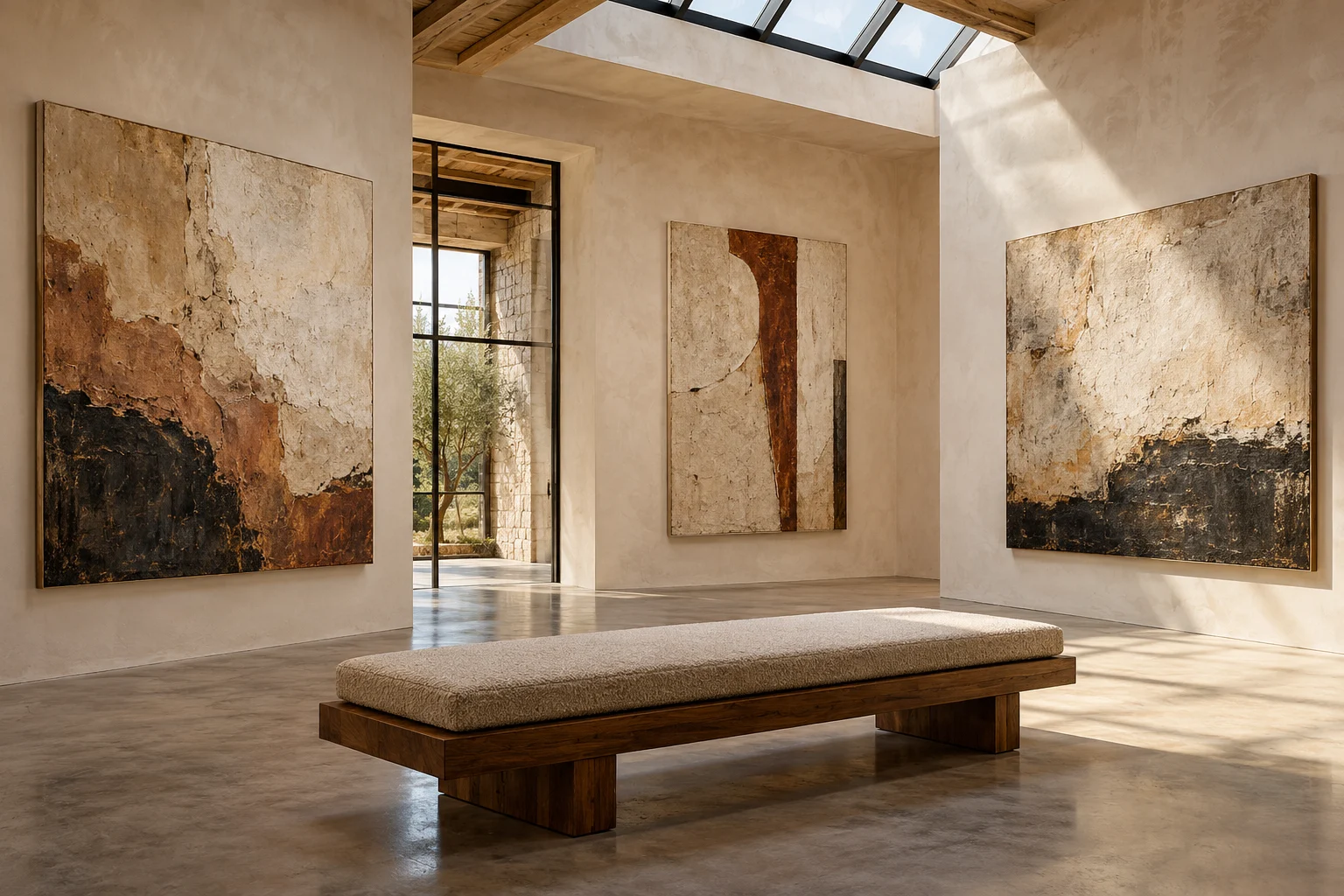
A single exhibition can offer a profound connection to a local artist, yet the sheer volume of rotating displays in North Texas can make a weekend feel like an endless itinerary. When the cultural calendar is full, the decision shifts from what to see to what to leave behind. Rather than attempting to touch every gallery in a single outing, focusing on one verified exhibition allows for a deeper engagement with the work.
The Weight of the Itinerary
For many, the impulse is to treat a cultural outing like a checklist. We see a flyer for a new installation, a social media post about a local sculptor, and an invite to a community showcase, and we attempt to fit them all into a single Saturday. This approach often results in a blurred memory of colors and shapes rather than a clear understanding of a specific vision.
For example, if you attempt to visit three different venues in three hours, you may find yourself rushing through hallways, checking your watch, and glancing at the exit before the artist's intent has even settled. The tradeoff is clear: you gain a broad, superficial overview of the local scene, but you sacrifice the quiet observation that makes art meaningful. You trade depth for distance.
The Social Cost of the Crowd
The desire for a meaningful experience often clashes with our social energy. For some, the most significant barrier to a gallery visit is not the art itself, but the social architecture surrounding it. There is a specific kind of exhaustion that comes from navigating a crowded opening night or participating in a long, structured discussion when one would rather simply observe in silence.
Imagine a scenario where you find yourself at a gallery opening, surrounded by the hum of conversation and the pressure to mingle. If your preference is to process what you see through private reflection rather than through a series of social interactions, the event can feel more like a chore than a reprieve. In this case, the 'meeting' aspect of the exhibition becomes a distraction from the visual experience you sought.
Curating Your Own Afternoon
To avoid the fatigue of the checklist, start by verifying the current hours and specific exhibition details of a single venue. Once you have selected a show that aligns with your personal interests, plan for stillness. Instead of booking a lunch reservation immediately following the viewing, consider leaving a gap in your schedule. This allows you to sit with a single piece of work or walk through the space at your own pace without the pressure of the next appointment.
If you find that the social environment of a public opening is not your preferred way to engage, ask the venue about their quieter visiting hours or whether they offer guided tours that focus on the work rather than the crowd. By choosing one exhibition and protecting your time, you transform a frantic tour into a deliberate act of observation.