A single photograph can anchor a narrative, providing the visual weight necessary to make a message land. Yet, selecting the right image involves more than just picking the clearest shot or the one with the most vibrant colors. It requires a careful weighing of what the image says, who it represents, and how it will be used.
The Weight of Context
A photograph carries its own history. An image that feels candid and spontaneous might capture a moment of genuine connection, while a staged shot might offer a sense of order and professionalism. Neither is inherently superior, but they serve different masters. One might evoke empathy, while the other establishes authority. The decision rests on whether you want your audience to feel a specific emotion or to observe a specific standard.
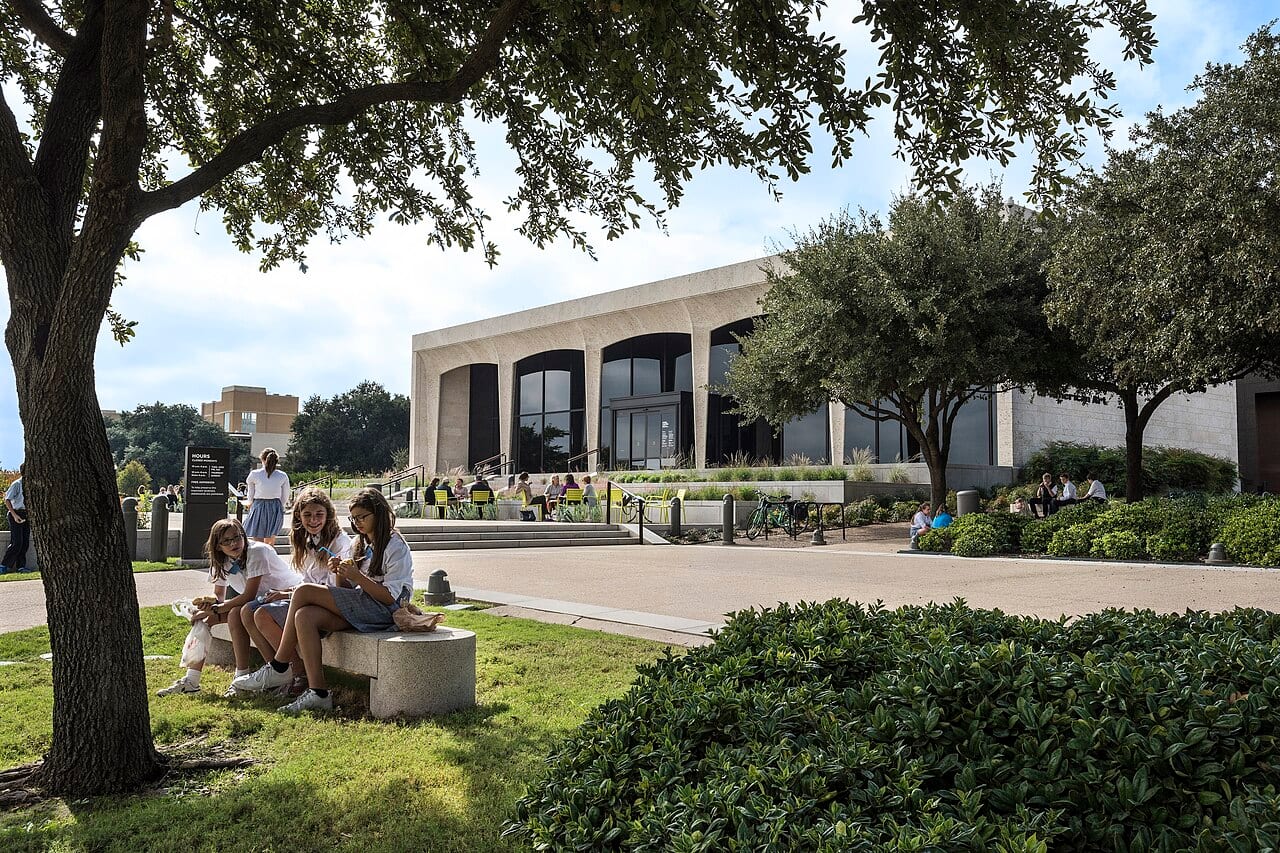
For example, if you are documenting a community event, a wide shot showing the scale of the crowd offers a different perspective than a tight close-up of a single participant's expression. The wide shot tells a story of participation and collective energy; the close-up tells a story of individual experience. Choosing between them is a tradeoff between breadth and depth.
Navigating Permission and Intent
Beyond the visual impact, the practicalities of ownership and usage must be addressed. An image that looks perfect on a personal screen may present complications when moved into a professional or public setting. The context of the intended use dictates the requirements for the image.
Consider a professional who prefers a written recap to another meeting. This individual values precision and the ability to review details at their own pace. If they are selecting a photograph to accompany a summary of a project's progress, they might lean toward a technical, detailed image that mirrors their preference for clarity. However, if that same person is selecting an image for a celebratory community newsletter, the detailed technical shot might feel too clinical. In that instance, a more atmospheric image might better suit the celebratory tone, even if it lacks the granular detail they personally prize.
Questions for the Professional
When the stakes of an image selection involve professional publication or commercial enterprise, the complexities of rights and usage become paramount. Rather than assuming an image is ready for use, it is prudent to seek clarity from those who manage these assets.
Ask a legal professional or a rights manager about the specific permissions required for your intended medium. You might ask: Does the current permission cover digital distribution as well as print? Are there restrictions on how the subject's likeness can be used in conjunction with certain types of text? Confirming these details ensures that the story you are telling is not interrupted by administrative complications.
Ultimately, the selection process is about alignment. Look at your chosen image and ask if its visual language matches the tone of your words. When the context, the permission, and the intent all point in the same direction, the photograph ceases to be a mere decoration and becomes a vital part of the communication.